AU Dental

au_admin

What is digital implant?

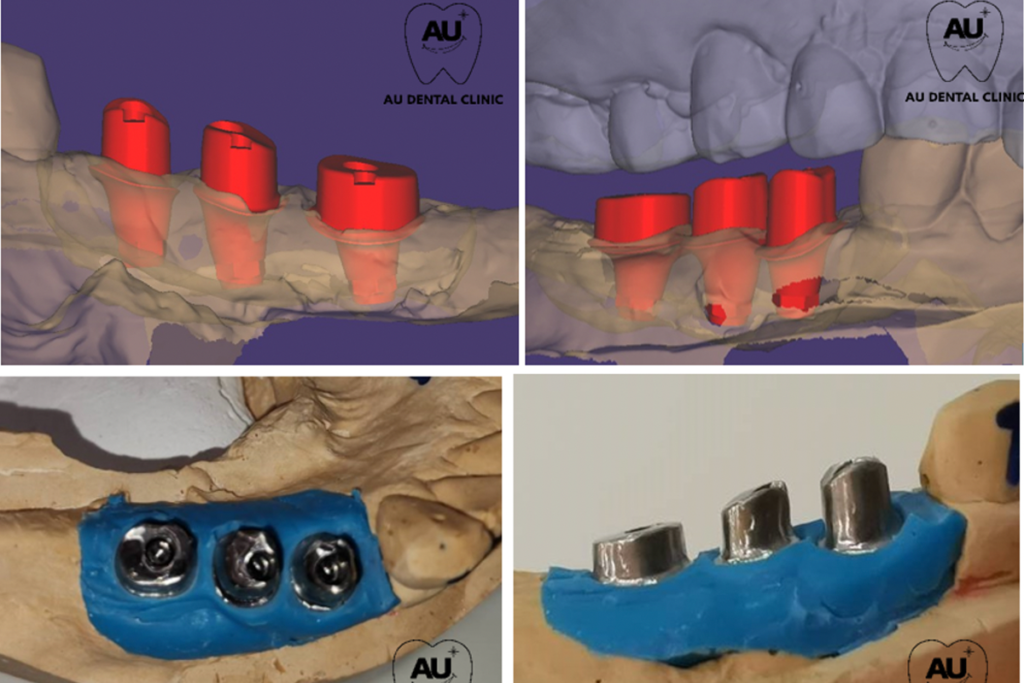
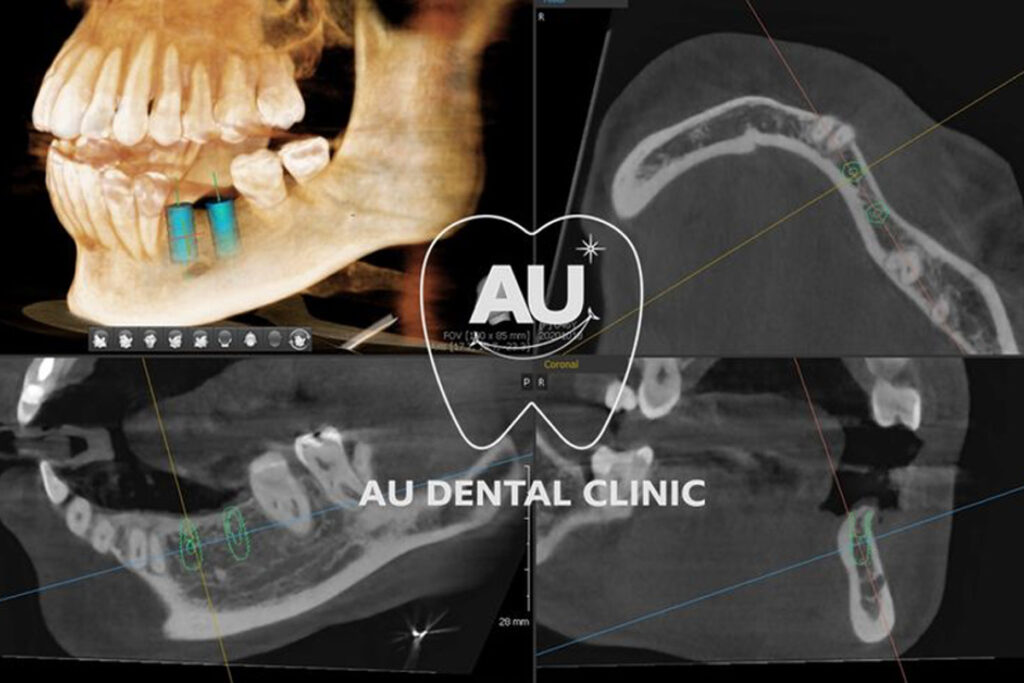
It is the term used to present the way implant placement is planned. The specialist uses the 3D technology, 3D radiograph, to plan the position of implants in advance so the implant can be placed in the best position without damaging the nerve or the teeth. With the help of CAD-CAM technology, the position in the computer then can be transferred in to clinical use via a Stent. Thus, every surgical procedure is guided by the stent, providing the best accuracy. This planning technique normally used in the position where the direct visual is limited or where two or more implants placed in one area. The crown on implant can planned in the computer and then sent to the milling machine to form a crown that matches perfectly to each individuals in terms of size shape and relationship to the adjacent and opposing teeth.

What is digital implant? Read More »
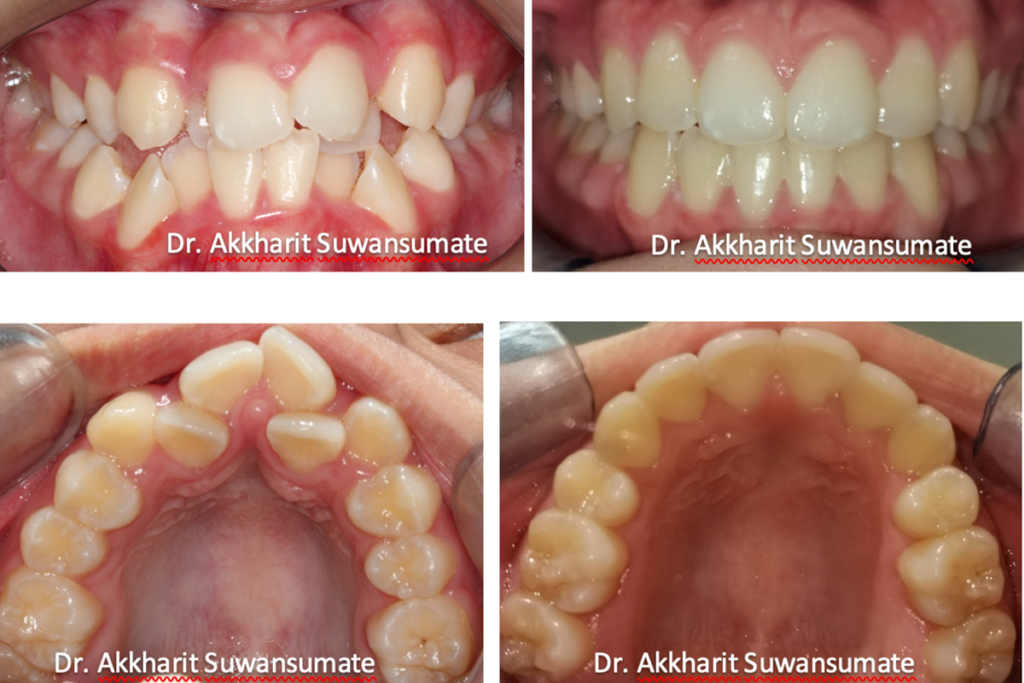
Which tooth is extracted for orthodontic treatment and why?

Not every orthodontic cases require tooth extraction. The dentist extracts teeth to provide the room either for improving alignment of the tooth or bring back the sticking out front teeth. 1. Patients who have severe crowding, extraction of premolars teeth is commonly chosen to provide rooms for full alignments. However, in the cases that severe crowding localized at lower front section. One lower incisor may become the tooth of choice. 2. Some patients seek a solution for sticking out top teeth or complaining about their full lips, the extraction of first premolars is the treatment of choice as the room created close to the front section. Thus, bring the protruding front section back is easily achieved. Once the teeth are back, the lip will follow, improving facial harmony. Can we fixed the teeth without extraction? The answer is yes. Space can be created by three more ways. 1. The protruding tooth can be brought back by mini-screws. These micro screws will allow the whole arch to be pulled back. This process called en-masse distalization. The removal of wisdom teeth is required to facilitate the process. 2. Arch expansion can create some spaces, this procedure is suitable for patients who have a narrow arch. The expansion will not only create spaces but also make a smile fuller. 3. IPR or interproximal reduction, the procedure will create spaces between contact points. It can be done at maximum 0.5 mm per contact. This is treatment of choice for those who have triangular shape of tooth as it not only create spaces but also improve the shape of the front teeth. This technique is an alternative to tooth extraction especially in adults. I hope this article is useful. Dr. Akkharit Suwansumate MClinDent in Orthodontics (merit) UCL,UK

Which tooth is extracted for orthodontic treatment and why? Read More »

What is a ‘Customized Abutment’?

The implant abutment is a part of the implant that emerges from the bony part. It serves as a foundation of the crown. In general, stock abutment is an easy and practical options. However, there are some situations that require a custom-made abutment. For example, where the gum level is not flat (terminal tooth of each individual side). The CAD-CAM technology is very helpful making a perfect abutment for each patients. With computer design, the size and shape can be ideal, perfectly matched the gum level of the patient. Moreover, the crown can be precisely designed at the same time, improving fitting. Also, the thickness of the crown material can be consistent improving the strength and the longevity of the crowns.

What is a ‘Customized Abutment’? Read More »

What is the Retainer?

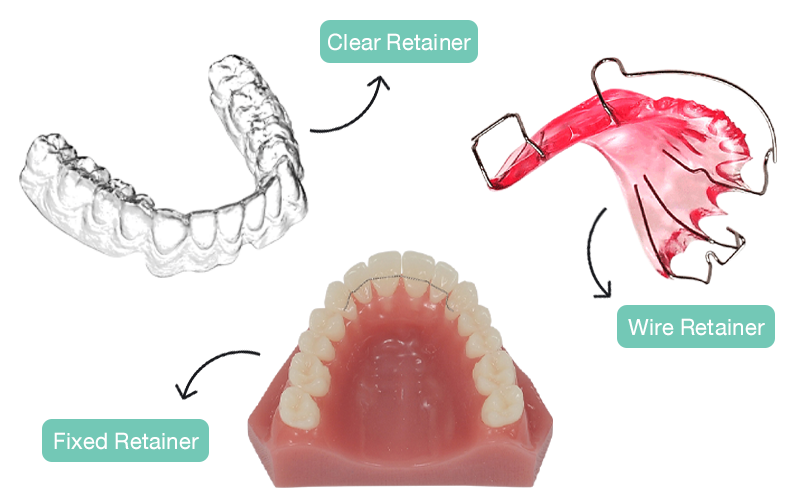
The orthodontists use retainer to hold the position of the tooth after orthodontic treatment to prevent teeth moving back to its original position. In order to maintain the good result, patients’ discipline is required. Patients are recommended to wear retainers full time for 3 months after orthodontic treatment and just for night time after that. There are 3 main types of orthodontic retainers 1. Clear retainers This is the most popular retainer as it is comfortable to wear, nearly invisible and quick to fabricate. The fitting is also excellent. Moreover, it provides the most effective retention when compared with other types of retainers. However, clear retainers will last approximately 1 year. 2. Wire retainers (wrap around, Hawley’s retainer) It is custom-made of acrylic and wire. This type of retainers is very durable, it may last 3-5 years. However, it requires regular tightening. It is not effective to hold the tooth in a vertical position as there is no part of the retainer to cover the edge of the tooth. 3. Fixed retainers It is a very small diameter of wire attached to the back of the 6 front teeth (right canine to left canine). It is normally used in combination with either clear or wire retainers to provide a double-lock system. We normally recommend to use in the case of generalized spacing or severe crowding to ensure the no relapse will occur.

What is the Retainer? Read More »

At what age should a child see an orthodontist?

Normally the fixed braces should start at age 12-13 when all the permanent teeth fully erupt. However, parents should bring their child to see orthodontic specialist at age of 9 years at the latest. Why? At the age of 9, the upper canine is travelling to the area of apex of incisors so that it should be palpable at this age. If the orthodontist cannot feel the bone prominence, it is possible the canines is erupting to the wrong area. The radiograph should be taken to locate the canine.Failing to erupt in the suitable canine spaces can cause several problems. The canine gets stuck and fail to erupt. Consequently, the adjacent tooth drift into the canine space increasing the difficulty of the future orthodontic treatment. The regaining the spaces with active orthodontic plate is required for facilitate the eruption If the canine erupts in the wrong path, it may collide with the root of the incisor causing the root resorption. Thus, the orthodontist has to intercept by pulling it to the right direction (artificial direction)  The orthodontist will check if the relationship of top and bottom jaw is correct. If there is a disproportionate growth between the top and bottom jaw, growth modification can be done at this age as the patients is still growing. This will improve the confidence of the young patients as well as reducing chance of trauma of top front teeth in the case that top front teeth is sticking out due to the delay growth of the bottom jaw. The orthodontist will assess if there are adequate spaces for premolars to erupt. If the patients lose their baby tooth prematurely, the permanent molars may tip into the spaces and prevent permanent premolars, which will replace the baby molar at age of 10-12, to erupt into

At what age should a child see an orthodontist? Read More »

When do you need to do the root canal treatment?

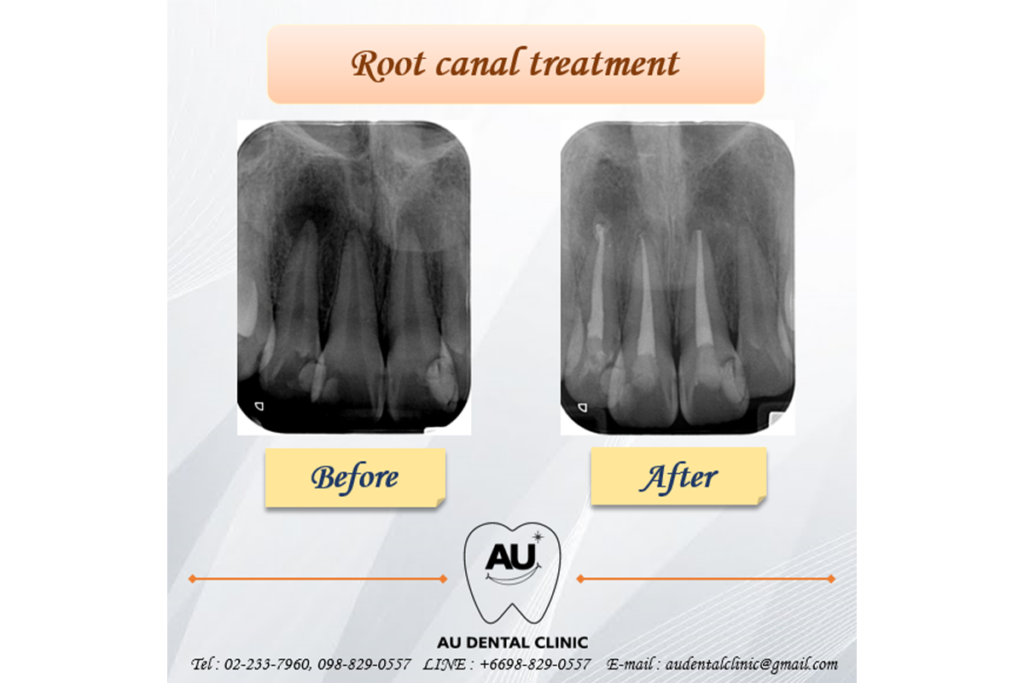
If you have these symptoms Throbbing toothache or painful, especially when you sleep. The tooth becomes very sensitivity to hot, cold or sweets. Feeling toothache when chewing foods. These symptoms show that there might be deep cavities and reach to the nerve or deep crack of the tooth. If you experience any of these symptoms, you should quickly consult dentist. The root canal treatment and proper restoration will allow dentists to keep the tooth for a longer period as well as restore its function.

When do you need to do the root canal treatment? Read More »

Impacted or embedded tooth

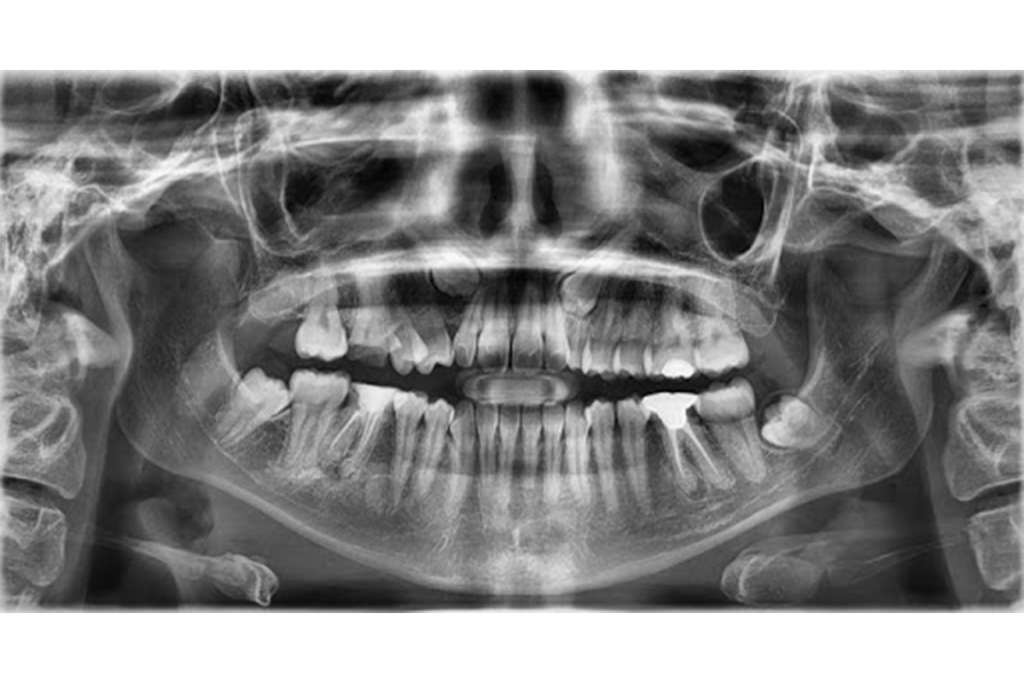
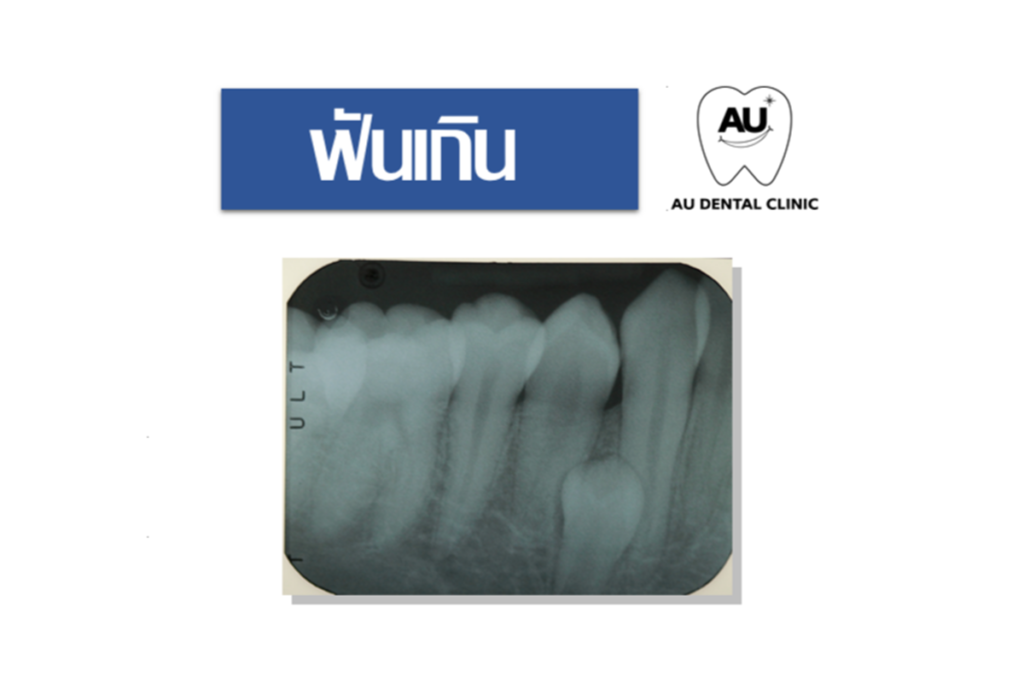
This is the term called the tooth which fail to erupt. The any tooth can be impacted, but the most frequent ones are third molars (wisdom tooth), canines and premolars. There are two way to treat this condition. First, guiding the impacted into the oral cavity via orthodontic treatment called artificial eruption. We normally use this treatment if the impacted tooth is cosmetically important such as top front teeth or canines. Second, impacted tooth is removed by surgical procedure. We choose this option where the position of impacted is impossible to bring it into the mouth or in the case of wisdom tooth or supernumerary tooth.

Impacted or embedded tooth Read More »

Supernumerary tooth

Normally, human have 32 teeth (including wisdom teeth). However, some people have more than that. The extra one is called supernumerary tooth. Most of the time, the supernumerary tooth failed to erupt so it is not noticeable in general dental check-up. The x-ray is the best way to check if there is one. This extra tooth sometime causes problems, for example, preventing permanent tooth to erupt, causing root resorption of permanent tooth and it might develop into a cyst. In the most cases, the extra tooth should be removed.

Supernumerary tooth Read More »

How Long to Wait for Dental Implants After Extraction?

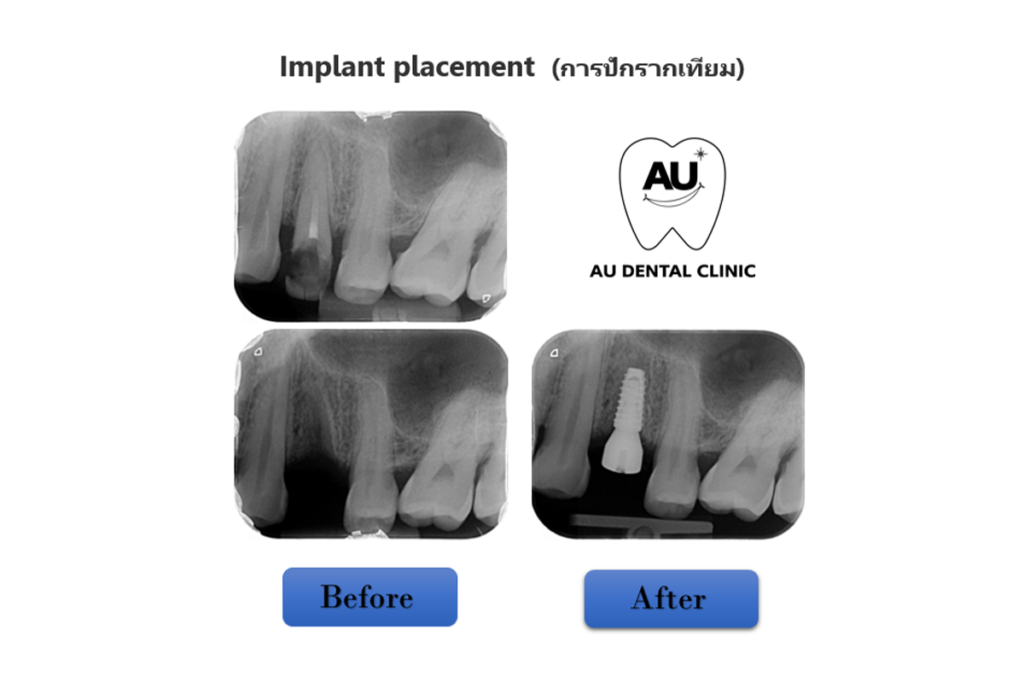
To place dental implants after a tooth extraction, we normally wait a minimum 2 months, allowing the bone to heal. Especially the case the extracted tooth was infected. However, waiting too long can be disadvantages.  Non-functional bone at extraction site will degenerate, reducing in width and height, which will complicate the implant placement. Additional procedure such as bone graft or guided tissue regeneration may be required.  Moreover, the adjacent tooth or the opposing tooth may move into extraction spaces. Once the spaces become too small, the function and the aesthetic will be compromised. In summary, the ideal time for place the dental implant after tooth extraction should be 2-6 months to avoid any complication and maximize function as well as aesthetic.

How Long to Wait for Dental Implants After Extraction? Read More »

Immediate Implant Placement

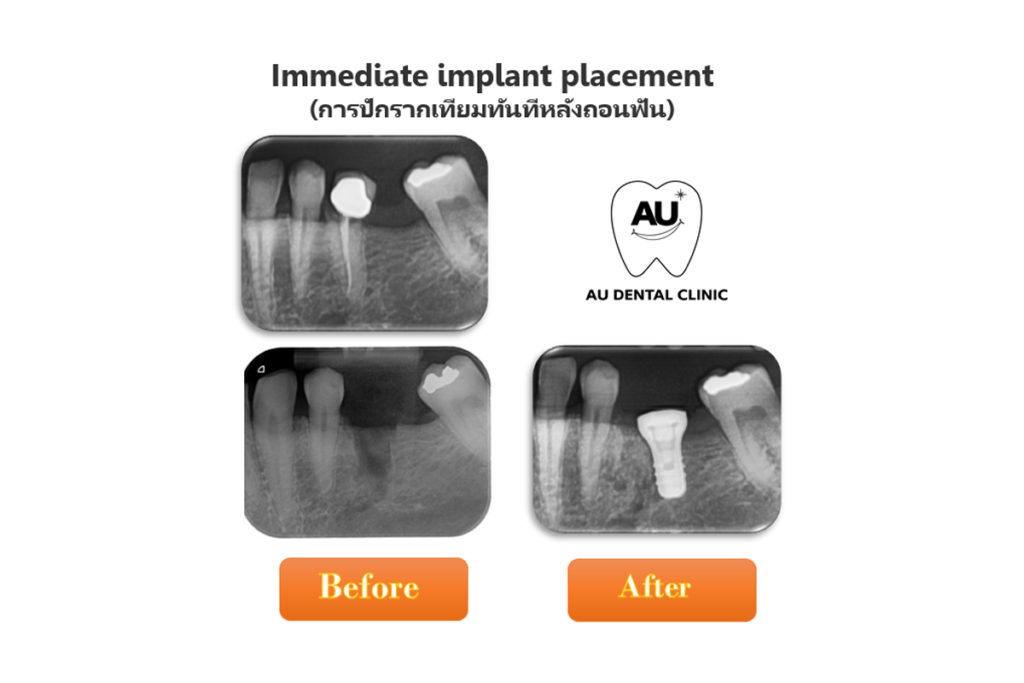
You might already know that implant placement normally requires 2 months of healing time after tooth extraction. We will introduce the term “immediate implant placement”. This term means that implant is placed right after tooth extraction. Is it possible? Yes, with careful planning. It is possible. Three dimensions x-ray will play an important role in this procedure. The surgeon can plan the direction and size of implant before tooth extraction. However, it also depends on the amount of bone around the root of the tooth being extracted. If the amount of bone is enough, implant can be placed with bone graft material to fill the space where it is used to be roots of the tooth. Advantages of immediate implant placement Reduce the number of surgeries to one visit. (extraction and implant placement on the same day) Reduce the overall treatment time significantly. Reduce the chance of bone resorption. Reduce the chance of gum recession.

Immediate Implant Placement Read More »